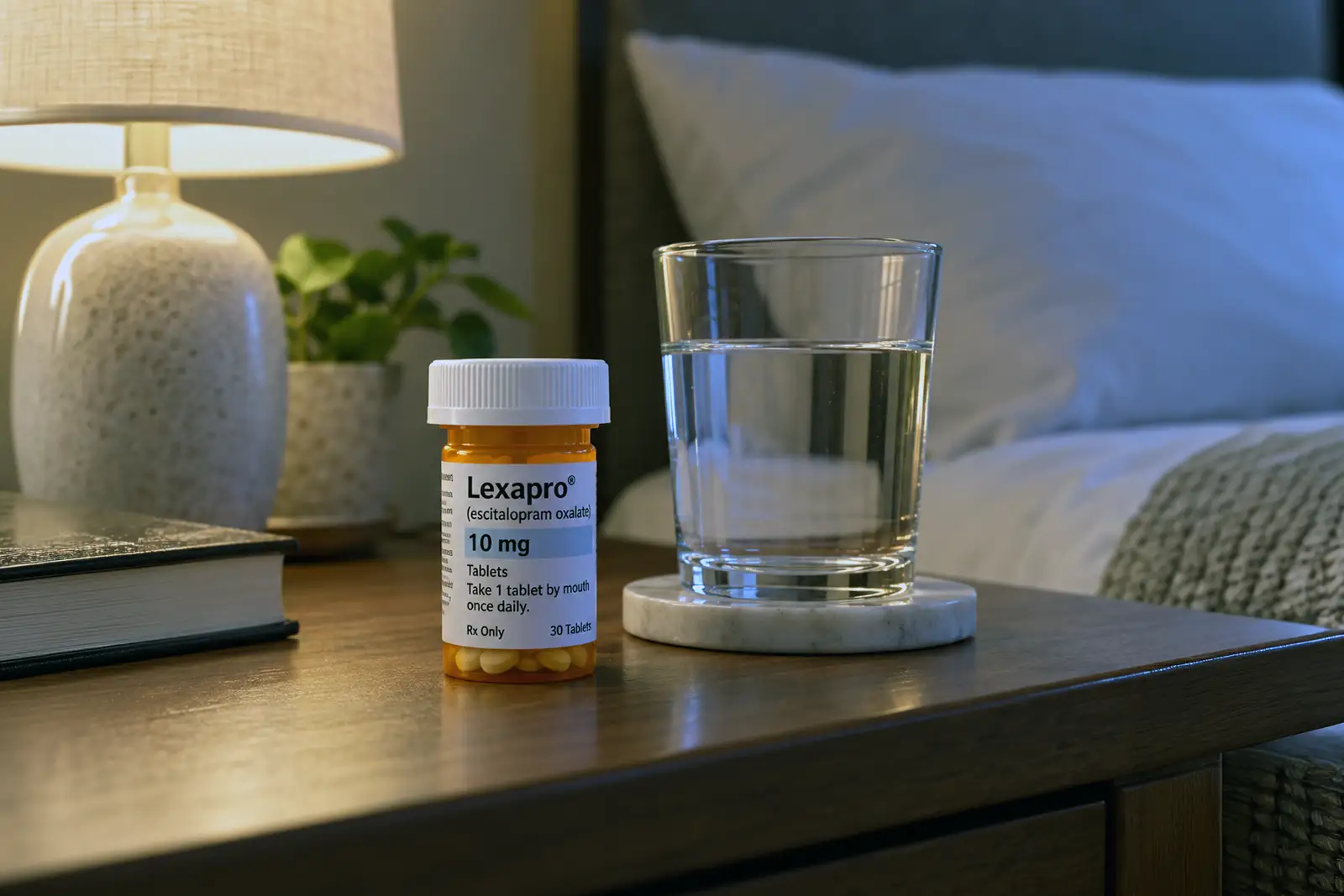
Quick Answer: Lexapro (escitalopram) is an SSRI antidepressant that can cause side effects such as nausea, tiredness, sleep problems, increased sweating, and sexual dysfunction. Some side effects may improve as your body adjusts to the medication, while severe, persistent, or worsening symptoms should be discussed with a healthcare provider.
At Saltwood Mental Health, we help adults understand their symptoms, medications, and broader treatment options for conditions such as depression and anxiety.
If your mental health symptoms are becoming difficult to manage or your current treatment isn’t providing enough support, contact our team to learn how we can help.
What Are the Most Common Side Effects of Lexapro?
The most common Lexapro side effects include nausea, drowsiness, difficulty sleeping, increased sweating, fatigue, and sexual problems. Not everyone experiences these effects, and their severity can vary considerably from one person to another.
Some side effects may be more noticeable when treatment first begins or after a dosage change. If symptoms interfere with work, sleep, relationships, or everyday functioning, they are worth discussing with your prescribing provider.
What Does Lexapro Feel Like When You First Start Taking It?
Starting Lexapro may temporarily cause physical or emotional changes while your body adjusts to the medication. Some people notice nausea, fatigue, sleep disturbances, restlessness, or changes in anxiety before experiencing the medication's full therapeutic benefit.
Escitalopram may take several weeks to provide its full effect. We encourage patients to communicate with their provider about significant changes rather than assuming every new symptom is something they simply have to tolerate.
How Long Do Drug Lexapro Side Effects Last?
Mild Lexapro side effects may improve over the first several weeks of treatment, although there is no exact timeline that applies to everyone. Some symptoms resolve as the body adjusts, while others may persist and require further evaluation.
Contact your provider if side effects continue, worsen, or become difficult to manage. Do not change your dose based solely on how you feel without first discussing it with the clinician prescribing your medication.

What Are the Sexual Side Effects of Lexapro?
Lexapro can affect sexual desire and sexual functioning in both men and women. Sexual dysfunction is a recognized side effect of SSRIs and may continue even when the medication is otherwise helping with anxiety or depression.
Because depression, anxiety, stress, and other health conditions can also affect sexual function, determining the cause may require a conversation with your provider.
Are Lexapro Side Effects Different for Men and Women?
Men and women can experience many of the same Lexapro side effects, but certain sexual effects differ.
Lexapro side effects in men may include decreased libido, difficulty getting or maintaining an erection, delayed ejaculation, or inability to ejaculate.
Women may experience decreased libido, delayed orgasm, or difficulty reaching orgasm. These Lexapro side effects in women should be discussed openly with a provider, especially when they begin after starting Lexapro or changing the dosage.
What Are the Serious Side Effects of Lexapro?
Serious Lexapro side effects can include serotonin syndrome, seizures, abnormal bleeding, dangerously low sodium levels, mania or hypomania, severe allergic reactions, and angle-closure glaucoma. Symptoms suggesting a serious reaction require prompt medical attention.
Antidepressants also carry a warning about an increased risk of suicidal thoughts and behaviors in children, adolescents, and young adults, particularly during the first months of treatment or following dosage changes.
Anyone experiencing an immediate risk of self-harm should call 911 or seek emergency medical care.
What Happens If You Stop Taking Lexapro?
Stopping Lexapro suddenly can cause discontinuation symptoms, including dizziness, nausea, anxiety, irritability, headaches, sweating, sleep problems, mood changes, and tingling or unusual sensory sensations.
Providers commonly reduce the dosage gradually when discontinuing an SSRI. We recommend speaking with your prescriber before stopping Lexapro, even if you’re experiencing side effects or feel that you no longer need the medication.
When Should You Seek More Support for Depression or Anxiety?
You might want to consider additional support if depression or anxiety continues to disrupt your work, relationships, sleep, responsibilities, or ability to function despite your current treatment. Medication can be valuable, but some people benefit from a more comprehensive approach that combines psychiatric care with structured therapy and ongoing clinical support.
At Saltwood Mental Health, our depression treatment and anxiety treatment programs are for adults who need a higher level of support while still maintaining important parts of their everyday lives. We develop treatment plans designed around each person rather than relying on medication alone.
If depression, anxiety, medication concerns, or worsening symptoms are making it harder to manage daily life, contact Saltwood Mental Health today. We can help you understand your treatment options and determine the level of care that fits your needs.